Jun 29.2026
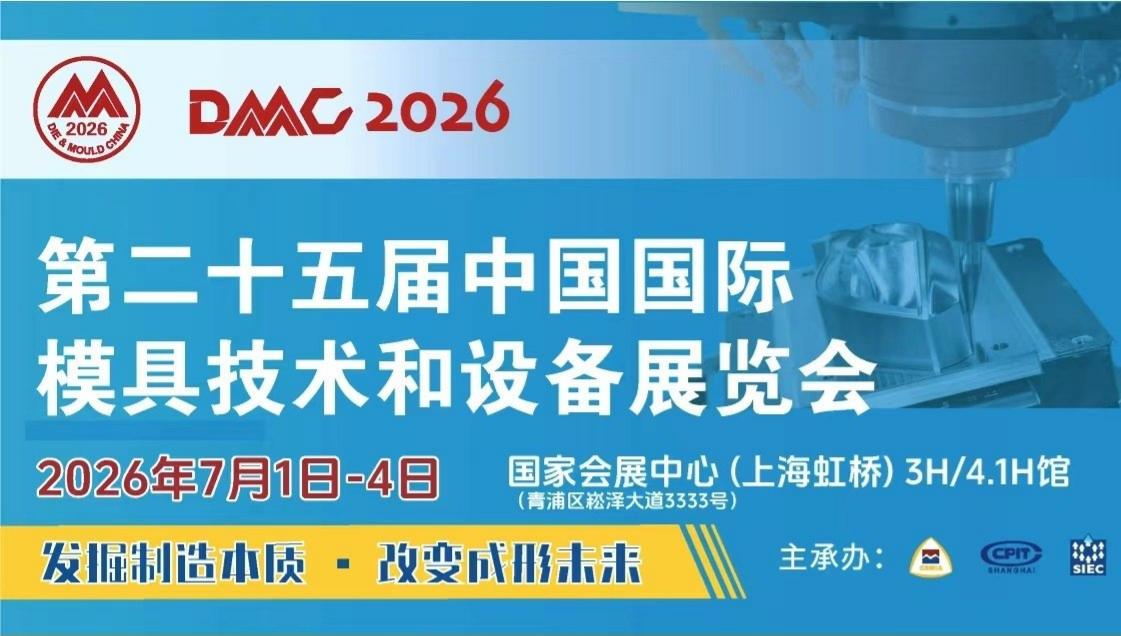
Hongxu Precision präsentiert sich auf der DMC2026 – Wir freuen uns auf Ihren Besuch!
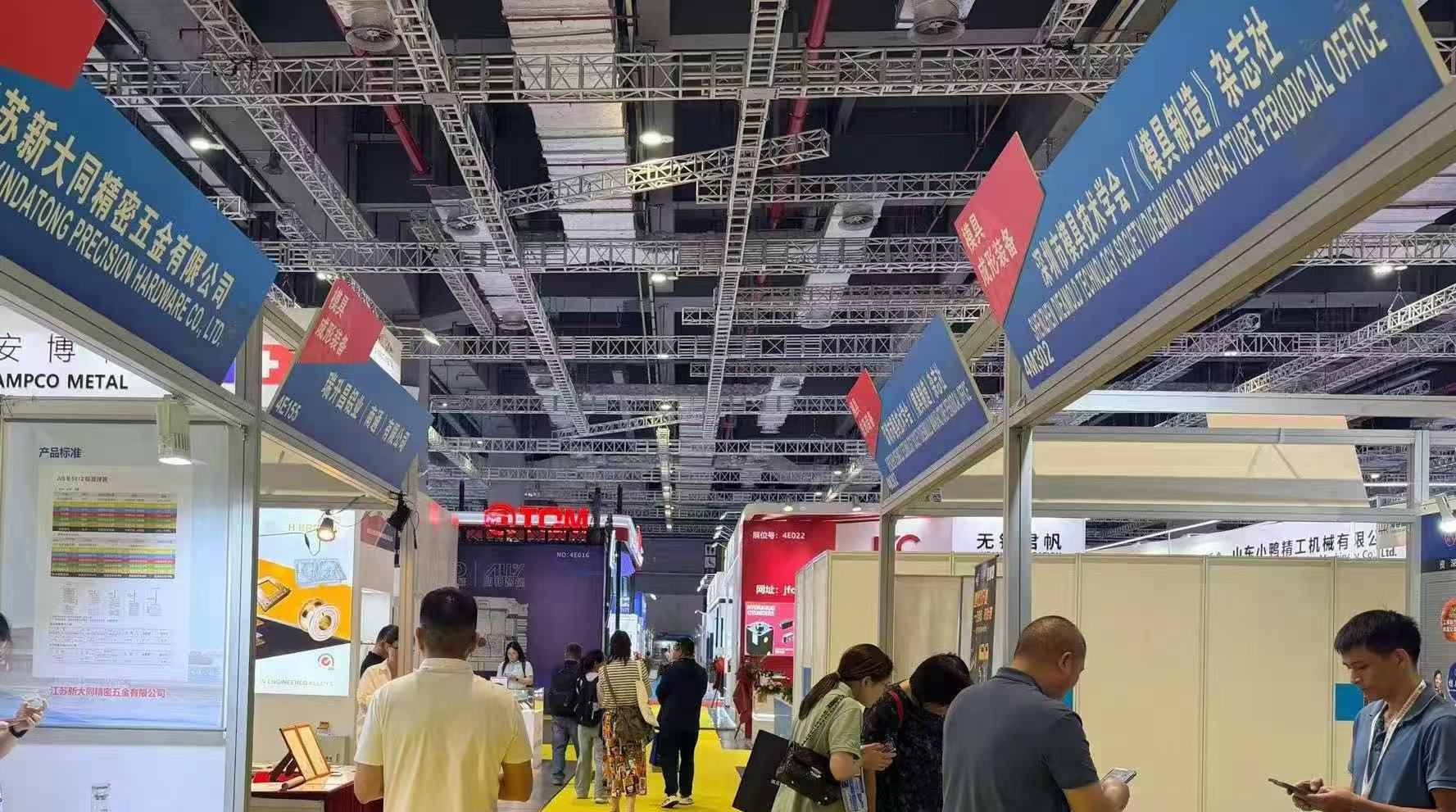
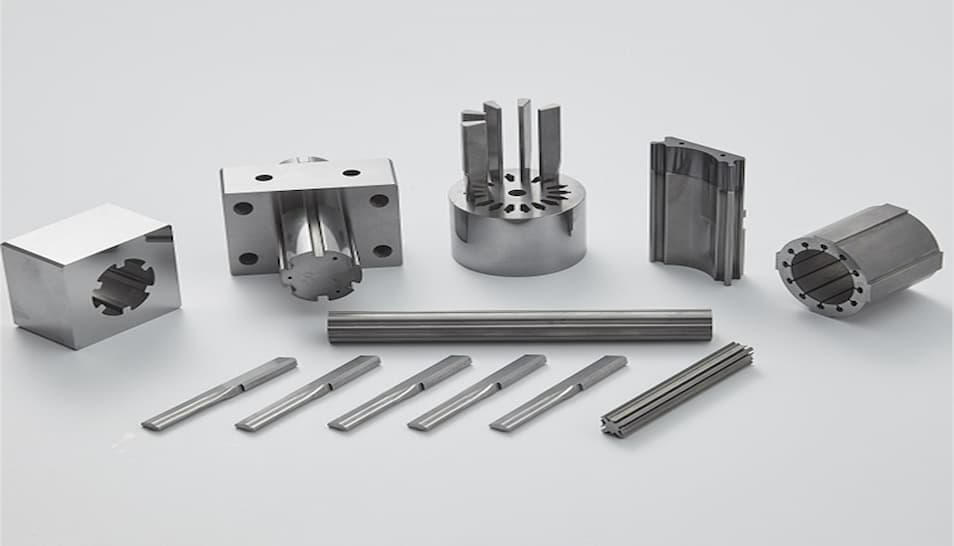
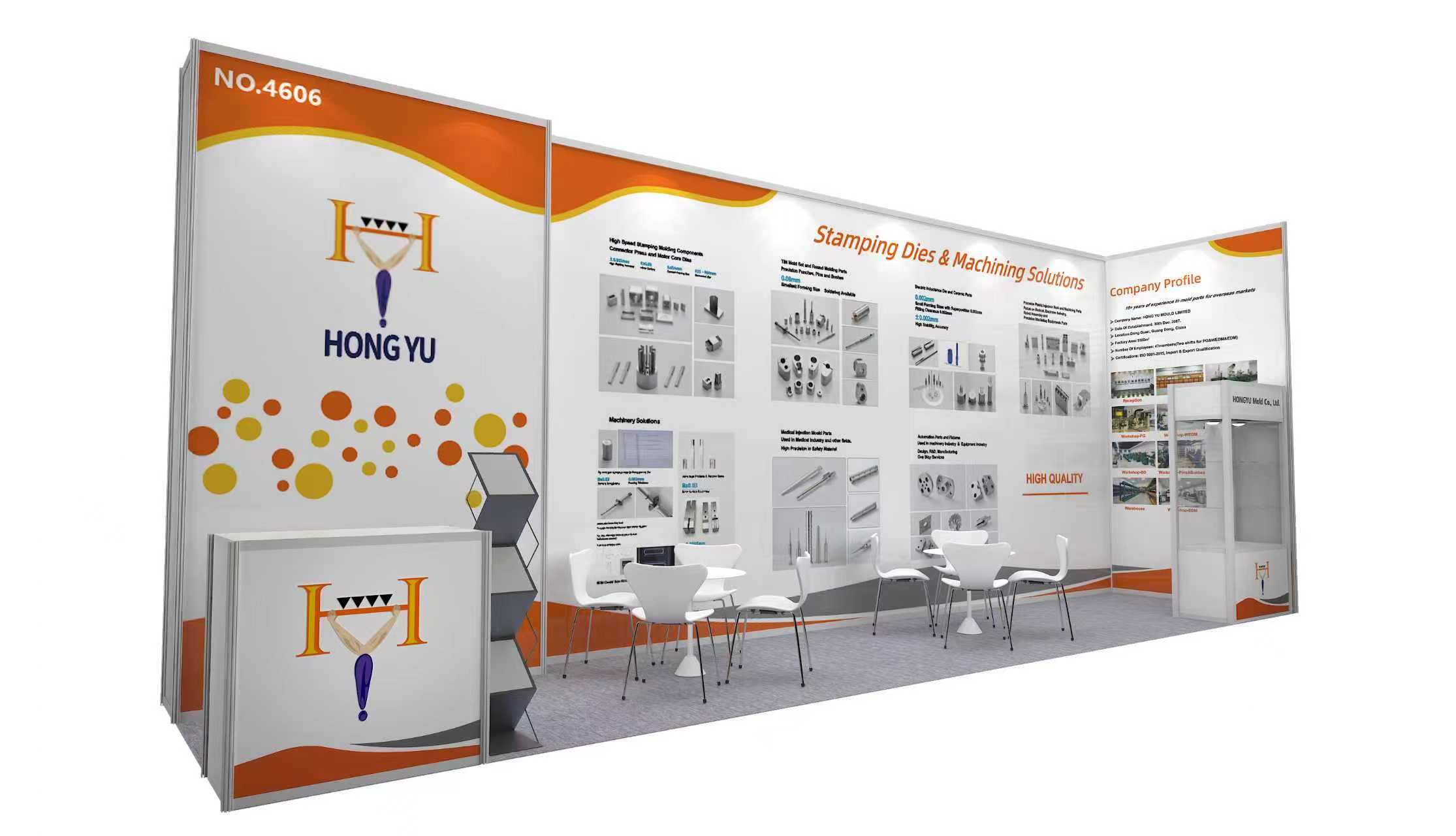
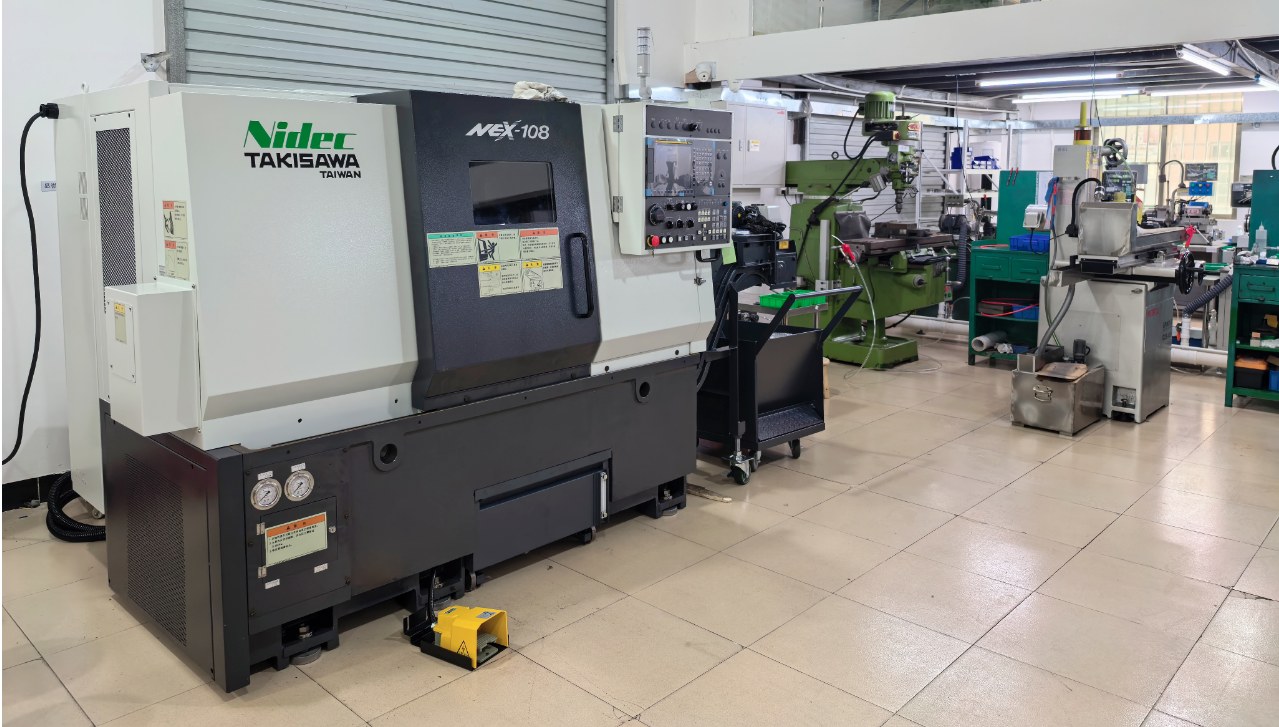
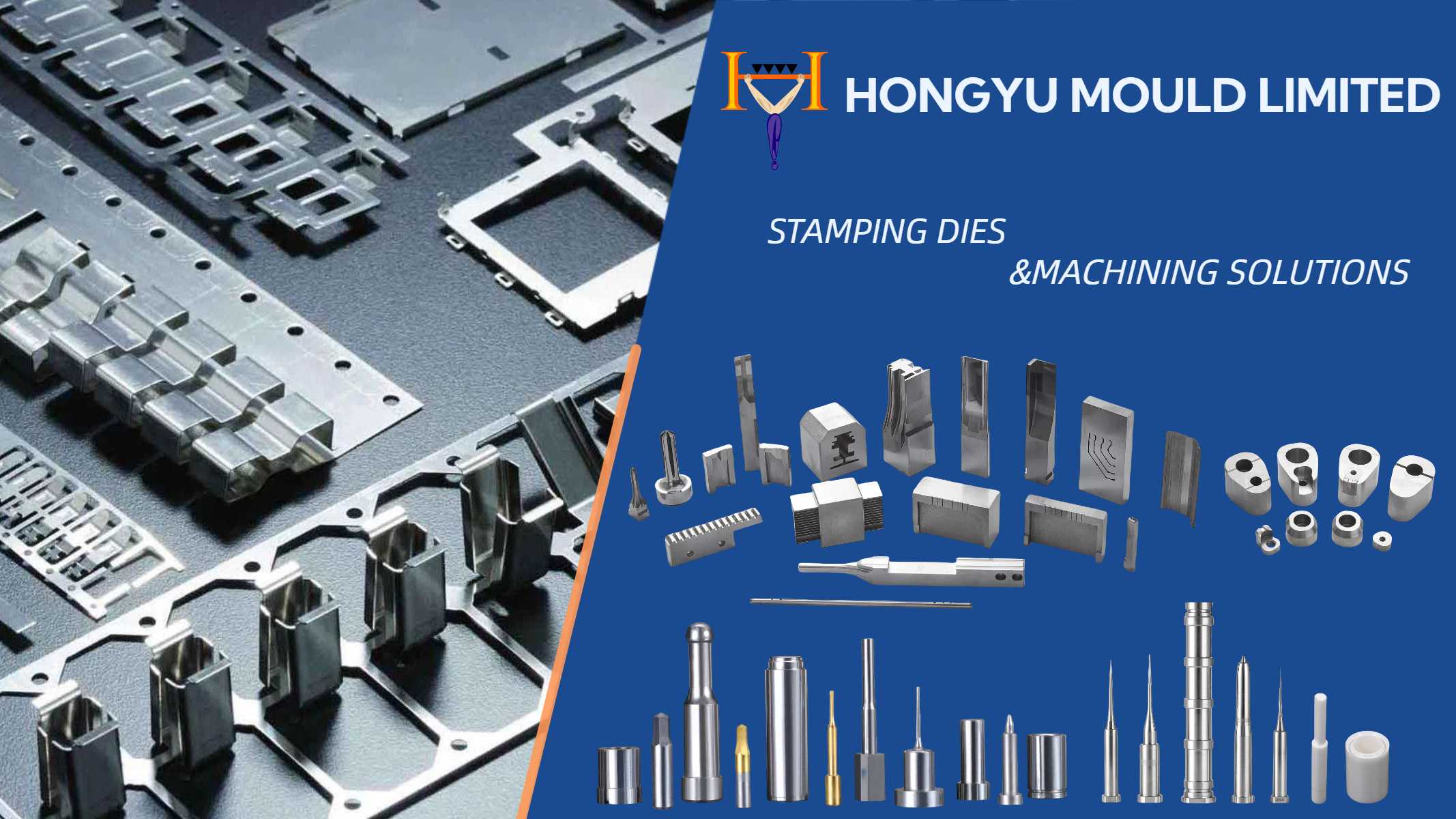
Die 25. Internationale Fachmesse für Werkzeugtechnik und -ausrüstung Chinas (DMC2026) findet vom 1. bis 4. Juli 2026 im Shanghai Hongqiao National Exhibition and Convention Center statt. Diese hochkarätige Branchenveranstaltung bringt Tausende von Werkzeugherstellern aus dem ganzen Land zusammen und präsentiert Spitzentechnologien. Präzisionsstanzteile, neue Materialverarbeitung und Sonderanfertigungen, die als größte professionelle Austauschplattform für Chinas Formenbausektor dient. Dongguan Hongxu Precision Technology Co., Ltd. präsentiert ihr komplettes Sortiment an Präzisionsformenzubehör am Stand 4E532 in Halle 4.1H. Wir laden namhafte inländische Unternehmen, Formenbauer und Einkaufsleiter aus den Bereichen Elektronik, Automobil, Halbleiter, Medizintechnik und Haushaltsgeräte herzlich ein, unseren Stand zu besuchen, um sich vor Ort von unseren Produkten zu überzeugen und ausführliche Kooperationsgespräche zu führen. Hongxu Precision wurde 2007 gegründet und hat sich spezialisiert auf Fertigung von Präzisionsformteilen Seit 19 Jahren beliefern wir erfolgreich internationale Märkte im gehobenen Segment und unsere ausgereifte Handwerkskunst erfüllt die strengen Produktionsstandards inländischer Hersteller im mittleren bis gehobenen Preissegment. Unser Kernsortiment umfasst: Hochgeschwindigkeits-Stanzform Baugruppen, Hartmetallkomponenten und Keramik-Präzisionsteileund unterstützt damit umfassend gängige inländische Industrien wie elektronische Steckverbinder, Automobilkomponenten und Haushaltsgeräte., Halbleiter,usw. Ausgestattet mit komplett Präzisionsbearbeitung Mit modernsten Prüfeinrichtungen, darunter optische PG-Schleifmaschinen, Drahterodiermaschinen und elektrochemische Polieranlagen für Hochglanzpolitur, haben wir ein umfassendes Qualitätskontrollsystem aufgebaut, das die Wareneingangskontrolle der Rohmaterialien, die Präzisionsbearbeitung und die Prüfung der Fertigprodukte abdeckt. Wir erreichen eine ultrapräzise Formgebung von ±0,001 mm, Hochglanzpolitur mit einer Rauheit von Ra 0,03 und Mikro-R-Eckenfasen und gewährleisten so eine gleichbleibend hohe Qualität auch bei Serienfertigungsaufträgen. Unser Team verfügt über umfangreiche Erfahrung in nationalen und internationalen Fertigungsprojekten und ist bestens mit den nationalen Lieferzyklen und strengen Qualitätsanforderungen vertraut. Wir können alle Arten von Produkten individuell anpassen. nicht standardmäßige Teile Wir fertigen nach Kundenzeichnungen und reagieren schnell auf Produktions- und Kundendienstanforderungen. Viele inländische Hersteller legen mehr Wert auf stabile Lieferketten, gleichbleibende Produktqualität und langfristige Partnerschaften als auf niedrige Preise. Anstatt uns in einem ruinösen Preiskampf zu behaupten, setzen wir auf stabile Fertigungsprozesse und standardisierte Produktionsabläufe, um langfristige Kooperationen mit zahlreichen namhaften inländischen Kunden zu pflegen.Auf dieser Ausstellung präsentieren wir eine umfassende Produktpalette, darunter...





 IPv6-Netzwerk unterstützt